The Brush-Up

Paint advice, straight talk

Notes from the crew: what actually makes paint last in Central Florida, how to pick colors you won't regret, and when a repaint is worth it.

Why exterior paint fails faster in Florida — and what actually prevents it

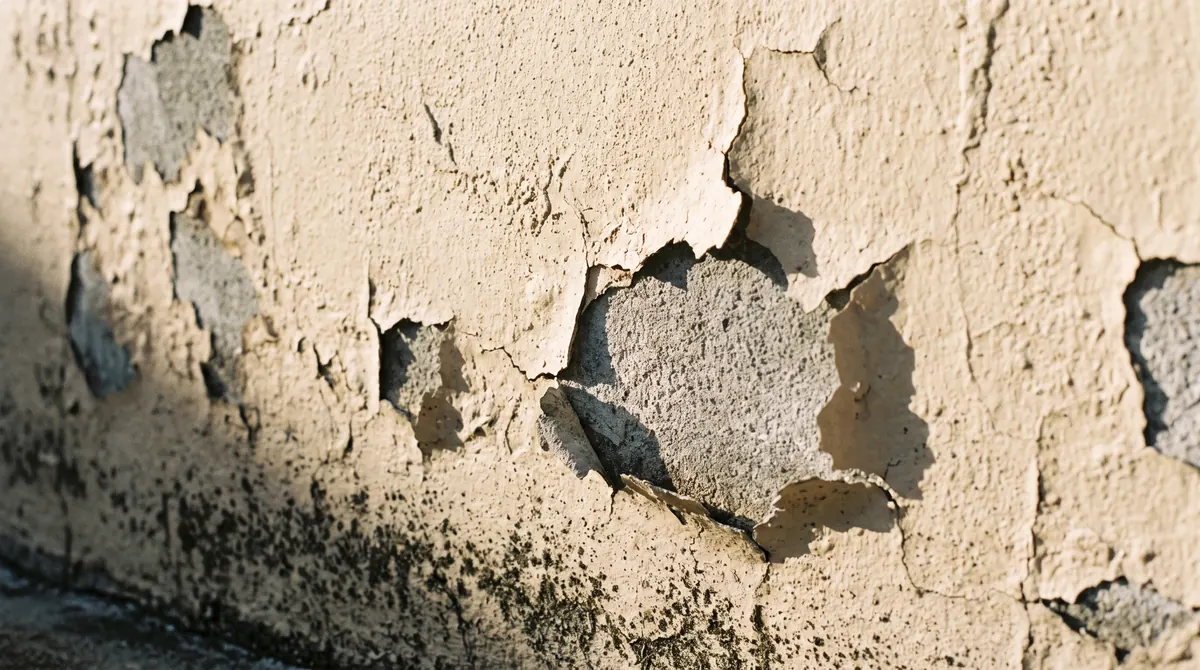
Drive through any Central Florida neighborhood and you'll see it: chalky stucco, faded south walls, black streaks under the eaves. The same paint job that lasts 15 years in Ohio can look tired here in 5. It isn't bad luck — it's UV, humidity, and mold working together year-round.

The three things that matter

Prep beats paint. The most expensive coating in the store fails early on a dirty or cracked surface. A real pressure wash, ground-out stucco cracks, and a masonry primer do more for longevity than any label on the can.

Coating choice matters here. Look for 100% acrylic with UV inhibitors and mildewcide. Bargain "paint and primer in one" products applied over chalky stucco are the number one failure we get called to fix.

Timing matters too. Paint applied to sun-hot stucco or right before an afternoon storm doesn't cure properly. Crews that start on the shaded side of the house and follow the sun around aren't being fussy — they're buying you years.

Picking a color you won't regret: test it where the sun actually hits

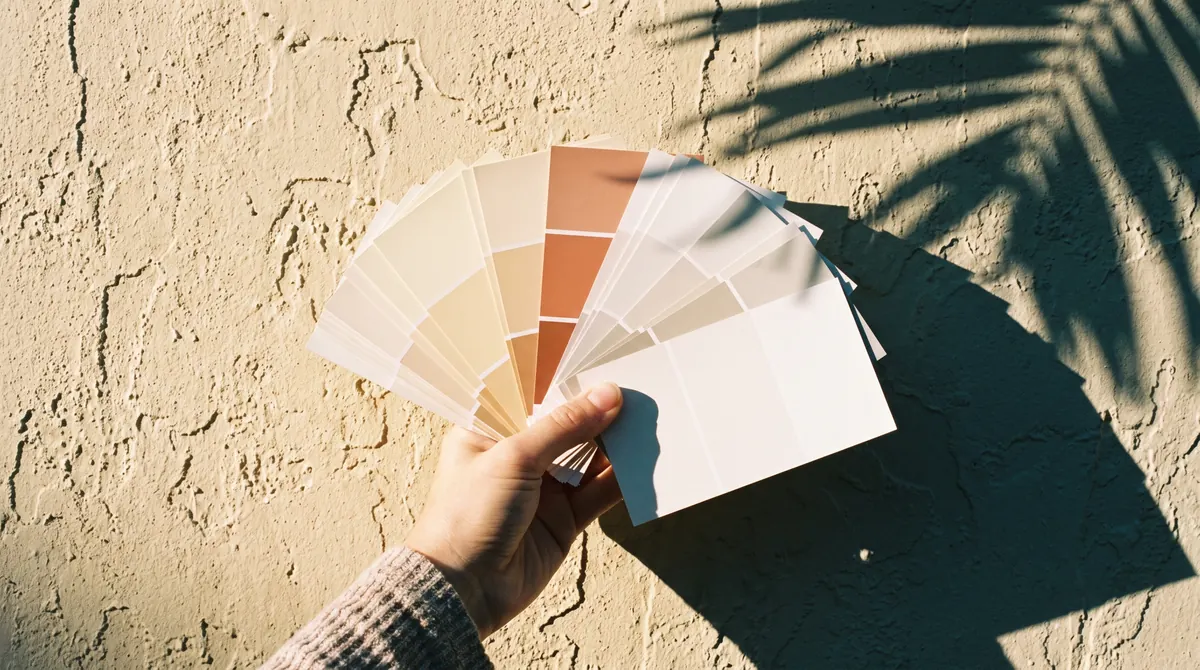
The most common thing we hear at the one-week mark isn't about our work — it's "the color looks different than the swatch." It always will. Florida daylight is intense and warm, and it shifts colors dramatically between a paper chip, a north-facing room, and a west wall at 5 pm.

The two-coat square trick

Buy sample pots of your top two or three choices and roll a two-coat, two-foot square on the actual wall — one square on the sunniest wall and one on the darkest. Look at them at morning, noon, and evening for two days. The winner is usually obvious, and it's frequently not the one you'd have picked from the chip.

Going gray or greige? Check the undertone against your floors. Going white? There are hundreds — bring home three that look identical at the store and they won't be on your wall.

Painted cabinets that don't chip: what separates a 10-year finish from a 10-month one

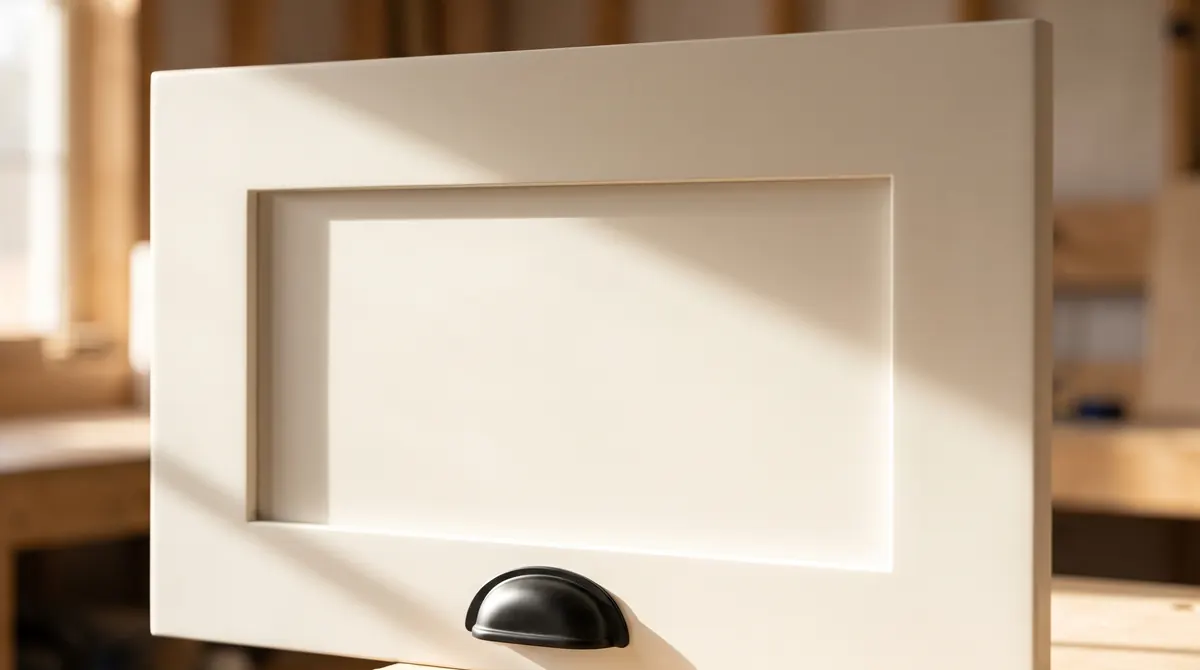
Cabinet painting has a bad reputation it doesn't deserve. The horror stories — chipping edges, sticky doors, visible brush marks — come from skipping steps, not from the idea itself. Done properly, a refinished kitchen holds up to daily use for a decade.

What "properly" means

Degrease first (kitchen grime is invisible and paint won't bond through it), scuff-sand every surface, then use a bonding primer made for slick factory finishes. The color coat should be a cabinet-grade enamel — not wall paint — and it should be sprayed, not brushed, for a factory-smooth surface.

Finally: cure time. Enamel is dry to the touch in hours but hardens over weeks. A good crew re-hangs doors with felt bumpers and tells you to be gentle for the first month. That patience is the difference between a finish that lasts and one that chips at the handles by Christmas.

Have a question we
should write about?

Send it over — the best posts here started as questions from homeowners at estimates.